Best end-to-end analytics tools in 2026: ranking and comparison
Monday morning meeting. The ad account shows 140 leads for the week, Google Analytics counted 96 conversions, and the CRM has only 61 deals. The director asks a simple question: which channel paid off? The marketer replies: “I’ll have a spreadsheet by Wednesday.” (The example is made up.)
End-to-end analytics exists to answer exactly that question: it links every hryvnia spent on ads to the hryvnia that ended up in the till. We reviewed 8 end-to-end analytics tools available in Ukraine in 2026 and compared them on price, attribution, CRM integration and phone calls.
Notice that none of the three reports includes phone calls, and without them even the best end-to-end analytics tools get the numbers wrong.
Key takeaways
- End-to-end analytics connects ad spend to revenue in your CRM and shows ROMI for every channel and campaign.
- The best end-to-end analytics is the one that pulls deals from your CRM and counts phone calls.
- With no budget, start with the free GA4 and Data Studio, but expect to build the report by hand.
- The cheapest paid option is Windsor.ai, from $19 a month.
- Ruler Analytics is the only tool in the ranking with built-in call tracking.
- Funnel, Improvado and OWOX are built for teams with an analyst, while HubSpot and Dreamdata are designed mainly for B2B.
- Without call tracking, any tool undervalues the channels that bring in customers who call.
What end-to-end analytics is and why businesses need it
End-to-end analytics ties every sale to the ad that brought it in.
The tool pulls costs from ad accounts, visits from the website, calls from the phone system, and deals and revenue from the CRM. It then matches everything to each customer, so the report shows something like: the campaign spent UAH 12,000 and brought in 3 deals worth UAH 90,000.
Why does a business need this? To stop optimizing ads for cheap leads. A cheap lead that never buys costs more than an expensive one that does. Without end-to-end analytics you can’t see the difference: the ad account counts conversions, the CRM counts money, and someone stitches them together in Excel.
What end-to-end analytics tools give you in practice:
- ROMI and ROAS by channel, campaign and sometimes keyword.
- CPL and customer acquisition cost in real money, not in ad-platform “conversions”.
- The sources that bring in repeat buyers.
- A comparison of attribution models: how a channel’s contribution changes under first-click, last-click or data-driven.
Keep in mind that end-to-end analytics only sees the customer touchpoints whose data has been sent to it.
How to choose an end-to-end analytics tool
A common story: you open the first ranking of end-to-end analytics tools you find, pick the top one, and two months later discover it can’t see the deals in your CRM. To avoid that, check eight things.
- Data sources. Make sure the tool connects to the platforms you actually use: ad accounts (Google Ads, Meta, TikTok), GA4, your e-commerce platform and your CRM. Every vendor publishes its integration list, so check it before the demo.
- CRM integration. The tool needs to pull deal stages and revenue, otherwise you’ll be looking at leads instead of money again.
- Attribution models. You need at least first-click, last-click and linear. Data-driven or Markov models spread the credit across the whole journey.
- Phone calls. Built-in call tracking, an integration with a third-party one, or nothing. If your customers call, this is the deciding factor.
- Dashboards. Built-in reports or an export to Data Studio and Power BI. The export is more flexible, but someone has to build the report.
- Learning curve. Can a marketer handle it in the interface, or do you need an analyst who knows SQL?
- Pricing model. Whether you pay per source, visit, contact or user determines what the tool will cost after a year of growth.
- Language and support. None of the tools on this list has a Ukrainian interface, so budget time for training.
Even the most powerful tool will produce an incomplete report without call and deal data. The report still looks convincing, and budget decisions get made from it.
How we built the ranking
Eight tools made it into our ranking of end-to-end analytics tools. We used three selection rules.
- The tool links ad spend to revenue. We left out pure web analytics and BI tools.
- It can be used from Ukraine: sign-up and payment go directly through the vendor.
- Russian-origin services are excluded.
We did not include IP telephony services with call tracking. UniTalk works in that category itself, and ranking ourselves next to competitors wouldn’t be fair.
Each tool’s position depends on two things: whether it sees the whole customer journey from ad to lead to call to deal, and how much it costs a small or mid-sized business to get started. We checked pricing on the official websites on October 27, 2026. Prices are in the vendor’s currency, excluding VAT.
This review is based on vendor documentation. We did not test every tool on the same project, so make the final call after a demo on your own data.
End-to-end analytics: 2026 tool ranking
Here are the top 8 end-to-end analytics tools for 2026.
1. Ruler Analytics
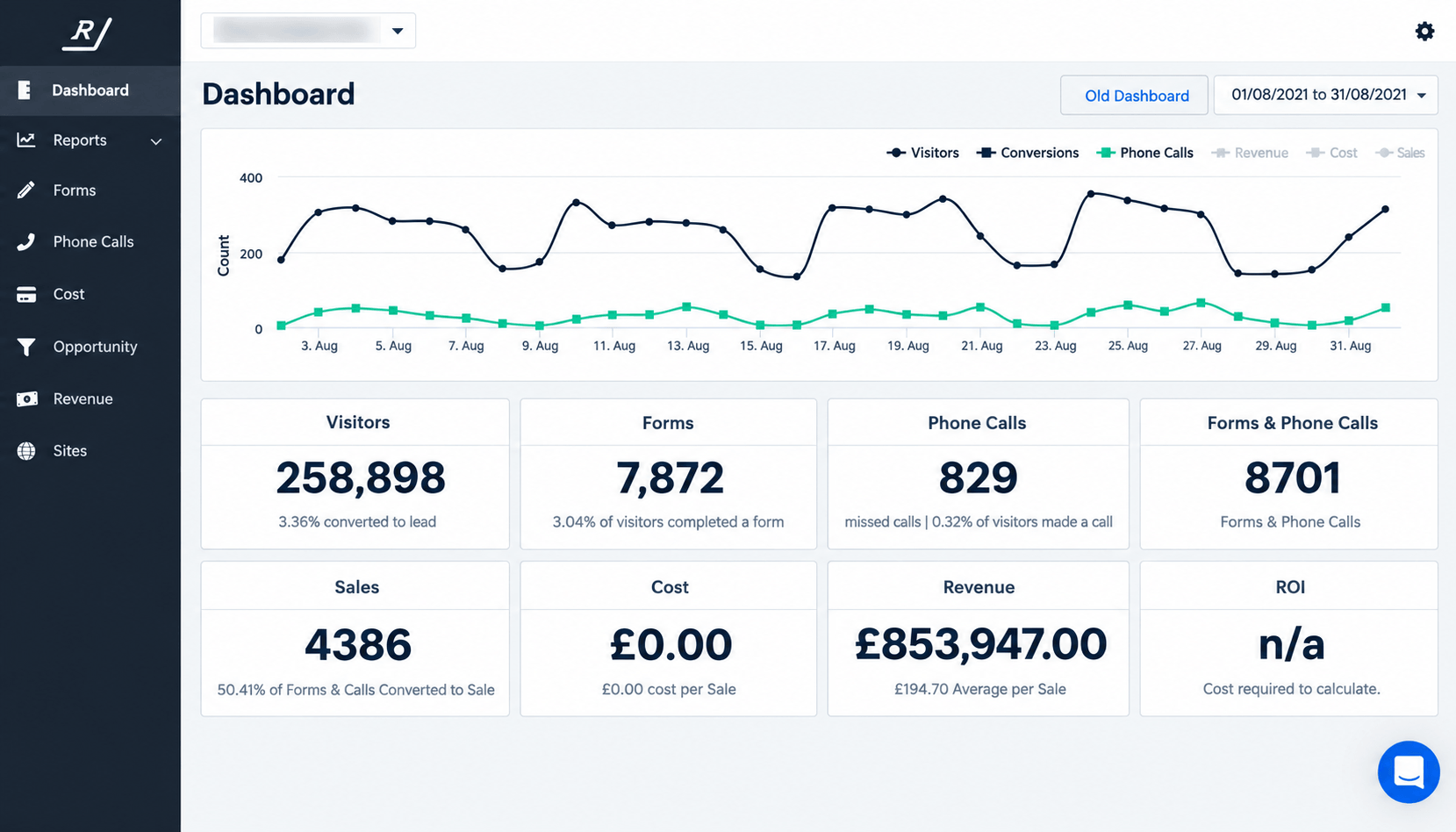
Ruler Analytics is a marketing attribution platform from Liverpool, UK. It links visits, forms, calls and chats to deals in your CRM and sends revenue data back to your ad accounts. The top plan adds marketing mix modeling (MMM).
Features:
- Sources: Google Ads, Microsoft Ads, Meta, TikTok, LinkedIn, Google Analytics, Shopify, WooCommerce, forms and chats.
- Attribution models: first-click, last-click, linear, time decay and position-based; data-driven and view-through attribution are available from the Medium plan.
- Call tracking: built-in dynamic tracking, or data from third-party providers.
- CRM: Salesforce, HubSpot, Dynamics 365, Pipedrive, Zoho and monday.com; the tool pulls deals, stages and revenue.
- Built-in dashboards, plus export to Data Studio, Power BI, Tableau and BigQuery.
Best for: businesses that get phone calls and have a long sales cycle, where marketing reports on revenue rather than leads.
Limitations: a high entry price (from £299 a month), pricing that grows with site traffic, and an English-only interface.
Pricing (official website, monthly / billed annually):
- Small, up to 10,000 visits a month: from £299 / £269 a month.
- Medium, up to 50,000 visits: from £499 / £449.
- Large, up to 100,000 visits: from £999 / £899.
- Advanced, from 100,000 visits, with MMM and an AI agent: from £1,499 / £1,349.
- No free plan or trial; you start with a demo. The final price depends on your traffic.
2. Windsor.ai
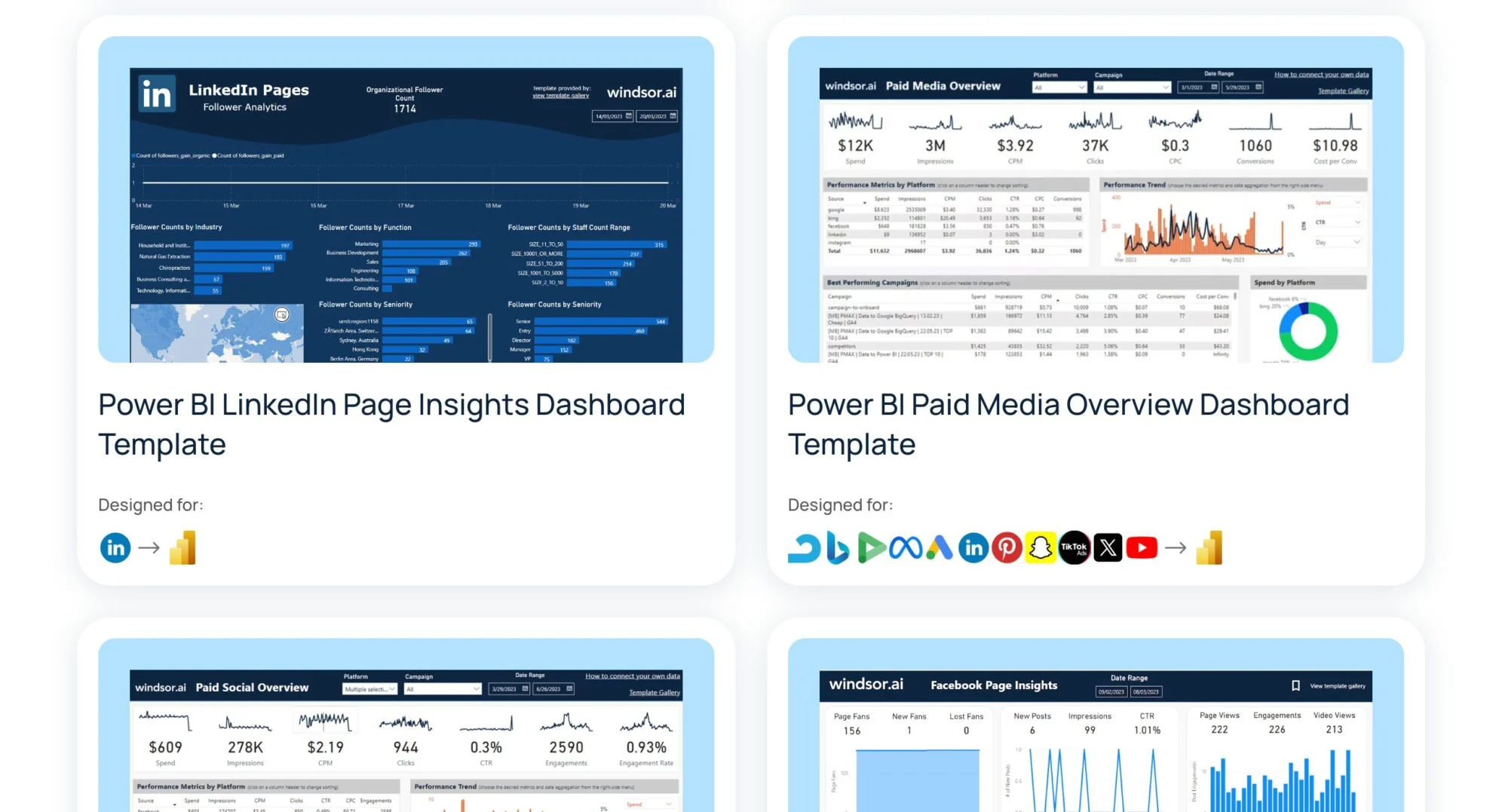
Windsor.ai from Switzerland brings your marketing data together in one place. It connects 350+ sources, sends the data to Data Studio, Power BI, BigQuery or Google Sheets, and builds multi-touch attribution on top of it.
Features:
- Connectors for ad accounts, GA4, CRMs (Salesforce, HubSpot and others) and online stores, all available on every plan.
- Attribution models: first-click, last-click, linear and an algorithmic Markov model.
- No built-in call tracking: calls reach the report only through a CRM or an analytics system.
- Dashboard templates for Data Studio and Power BI, plus data access from Claude and ChatGPT via MCP.
- Unlimited users on paid plans.
Best for: small businesses and agencies that need affordable attribution and combined reports on ads and sales.
Limitations: no built-in call tracking, the end-to-end report is assembled in a BI tool, and the number of sources depends on your plan.
Pricing (official website, monthly / billed annually):
- Free: a 30-day trial with 10 sources, then Forever Free with 1 source.
- Basic: $23 / $19 a month, 3 sources.
- Standard: $118 / $99, 7 sources, hourly sync.
- Plus: $299 / $249, 10 sources.
- Professional: $598 / $499, 14 sources.
- Enterprise: on request.
3. Google Analytics 4 + Data Studio
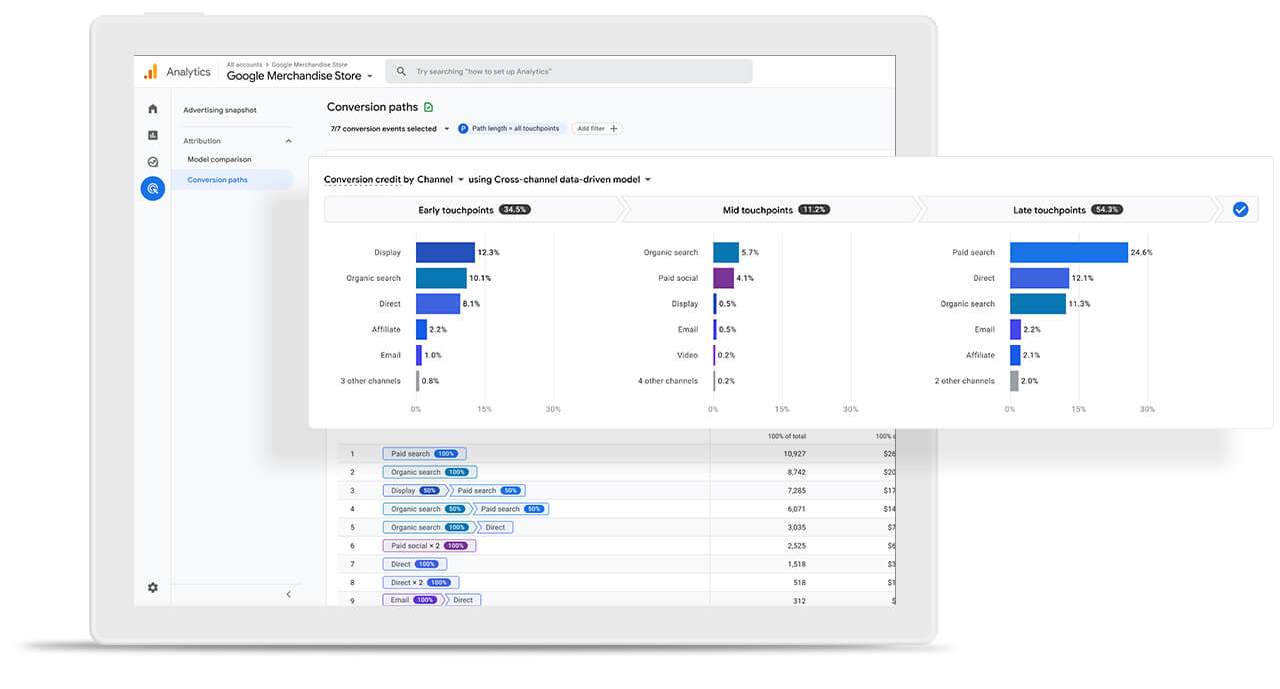
A free combination from Google (US). Google Analytics 4 tracks behavior and conversions on your website, and Data Studio turns that data into dashboards. Until April 2026 Data Studio was called Looker Studio, then Google brought back the old name.
Features:
- Sources: website, app and Google Ads; costs from other platforms and offline events are loaded by import or via the Measurement Protocol.
- Attribution models: just three (data-driven, paid and organic last click, and Google paid channels last click).
- No built-in call tracking: calls arrive as events from a third-party call tracking tool.
- Dashboards live in Data Studio, and connectors to non-Google sources are often paid.
- No direct CRM connection; deals are sent via the Measurement Protocol or imported.
Best for: small businesses taking their first steps that are willing to spend time on setup.
Limitations: no out-of-the-box CRM connection and only three attribution models, so the end-to-end report has to be built by hand.
Pricing:
- Google Analytics 4: free; Google Analytics 360: on request.
- Data Studio: free.
- Data Studio Pro: $9 a month per user per Google Cloud project.
UniTalk integration: a ready-made integration sends calls from UniTalk call tracking to GA4 as events. Here are the setup instructions.
4. OWOX
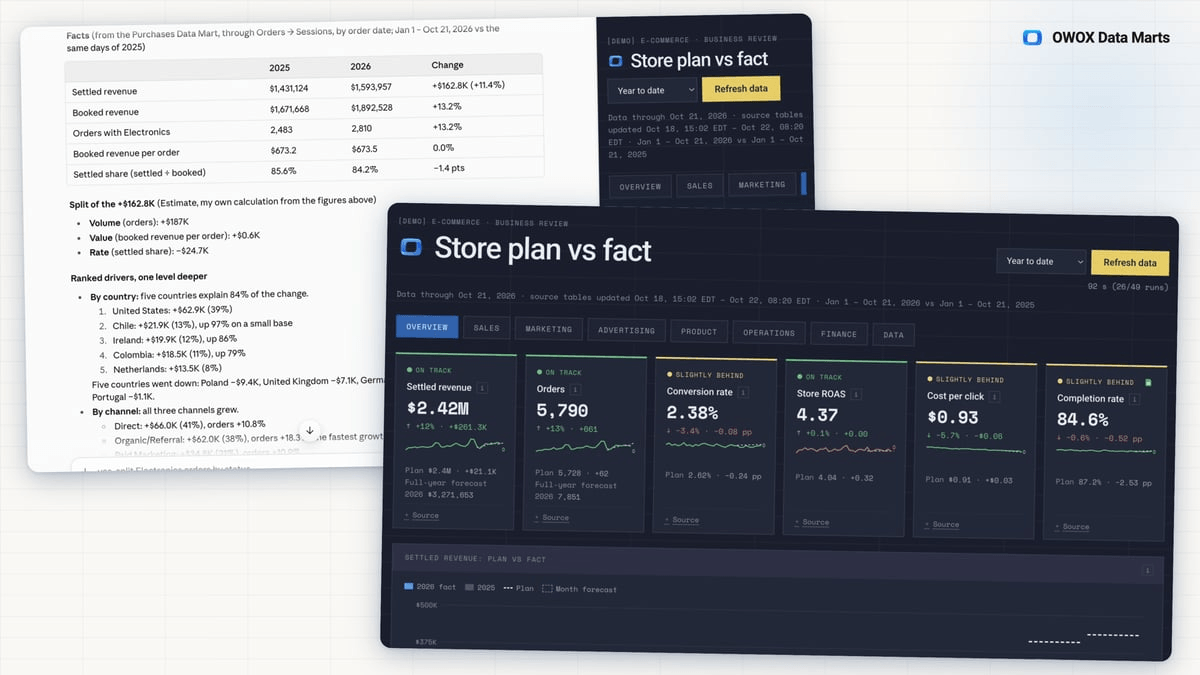
OWOX has Ukrainian roots: in 2011 the company became the first in Ukraine to earn Google Analytics Certified Partner status. Its main product today is OWOX Data Marts: data marts with shared metric definitions, plus an “AI analyst” inside Claude and ChatGPT.
Features:
- Connectors for Meta, Google and TikTok Ads, Shopify and other sources; works with data in your own warehouse, including BigQuery.
- Metrics are defined once and reused in Google Sheets, Excel and Data Studio without discrepancies.
- Attribution and end-to-end reports are built on top of the data marts from ready-made templates.
- No built-in call tracking.
- The free, open-source Community edition runs in your own warehouse.
Best for: companies with a data warehouse and an analyst that want one version of the numbers for the whole team.
Limitations: you need someone who owns the data and the warehouse, and cloud plans start at $295 a month.
Pricing (official website):
- Community, self-managed: free, source code on GitHub.
- Individual, cloud: $295 a month, up to 100 AI answers; 30 free credits to get started.
- Team: $790 a month, up to 5 people.
- Scale: on request.
- Agency, self-managed: $500 a month; Enterprise: custom contract.
5. HubSpot Marketing Hub
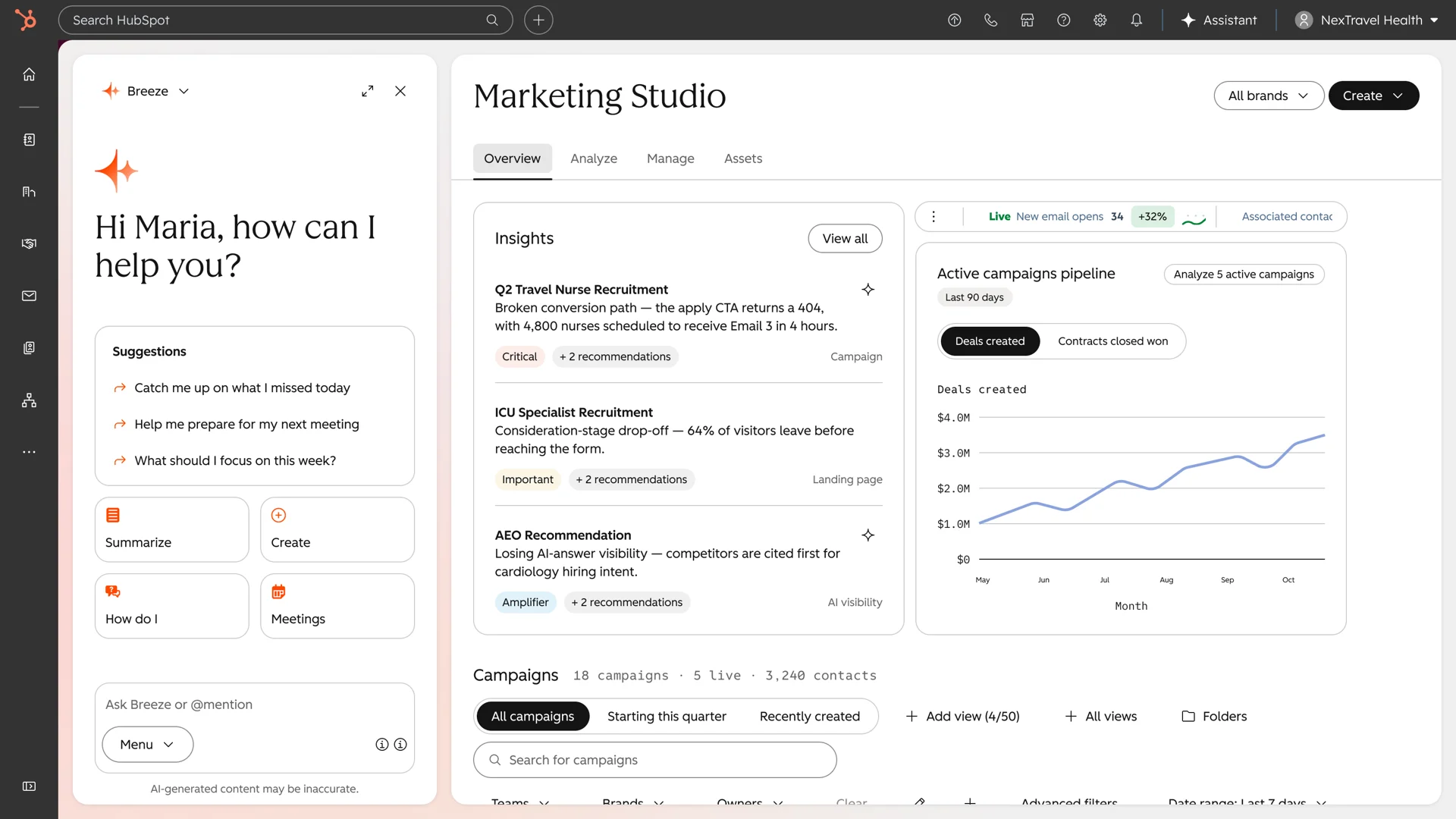
HubSpot Marketing Hub from US-based HubSpot is built right into its CRM. Deals sit next to your marketing data, so you don’t need external integrations for attribution.
Features:
- Sources: forms, landing pages, email, chat and ad accounts.
- Campaign reports and custom dashboards are available from the Professional plan.
- Attribution models: multi-touch revenue attribution is only available on Enterprise.
- No built-in call tracking: calls reach the contact record through telephony integrations.
Best for: B2B companies that already sell through HubSpot CRM and want to see marketing’s contribution to revenue.
Limitations: multi-touch revenue attribution is only on Enterprise at $3,600 a month, plus mandatory onboarding for $7,000.
Pricing (HubSpot data):
- Free: $0, up to 2 users.
- Starter: $9 per seat a month, billed annually.
- Professional: $800 a month billed annually, 3 seats, $3,000 onboarding.
- Enterprise: $3,600 a month, 5 seats, $7,000 onboarding.
- Free trial: 14 days.
UniTalk integration: UniTalk has a ready-made HubSpot CRM integration, so calls are logged directly in the CRM.
6. Funnel
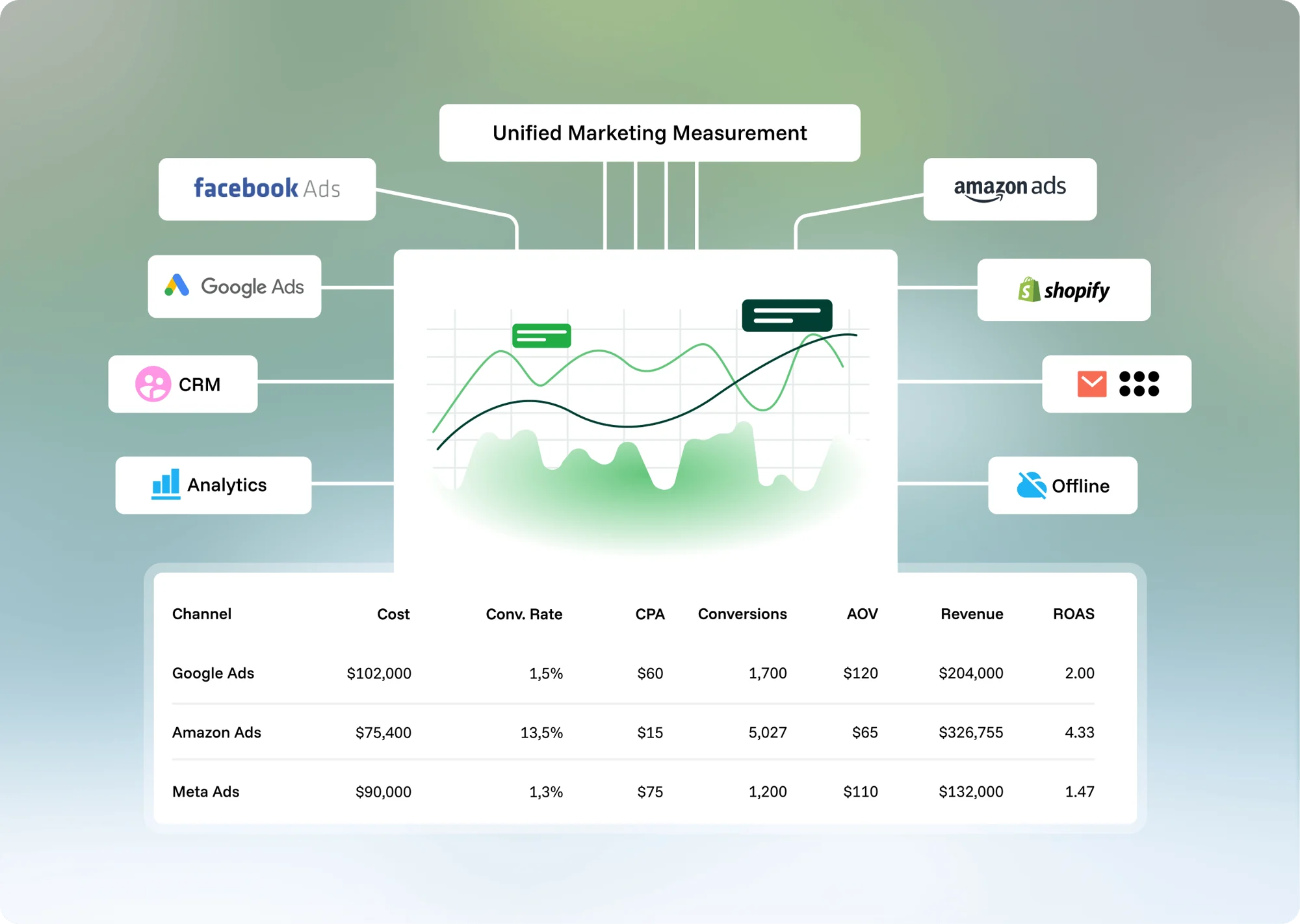
Funnel from Sweden works with marketing data. Funnel Data Hub collects and normalizes data from ad and analytics platforms, and the Funnel Measure module adds attribution, MMM and incrementality testing.
Features:
- Connectors: 117 on Starter, 579 on Business, 590 on Enterprise.
- Attribution models: data-driven MTA and MMM in Funnel Measure.
- No built-in call tracking.
- Funnel and Data Studio dashboards; Power BI, Tableau and BigQuery from the Business plan.
- Funnel AI and MCP for working with your data in Claude and ChatGPT.
Best for: mid-sized and large companies running a dozen ad channels with their own analytics team.
Limitations: no free plan, and attribution is sold as a separate module priced by ad budget.
Pricing (official website, billed annually):
- Starter: from $300 a month, 117 connectors, unlimited users.
- Business: from $600 a month, 579 connectors, unlimited users.
- Enterprise: on request.
- Funnel Measure: an add-on for Business and Enterprise, priced by ad budget.
- No free plan, but there is a 30-day free trial.
7. Improvado
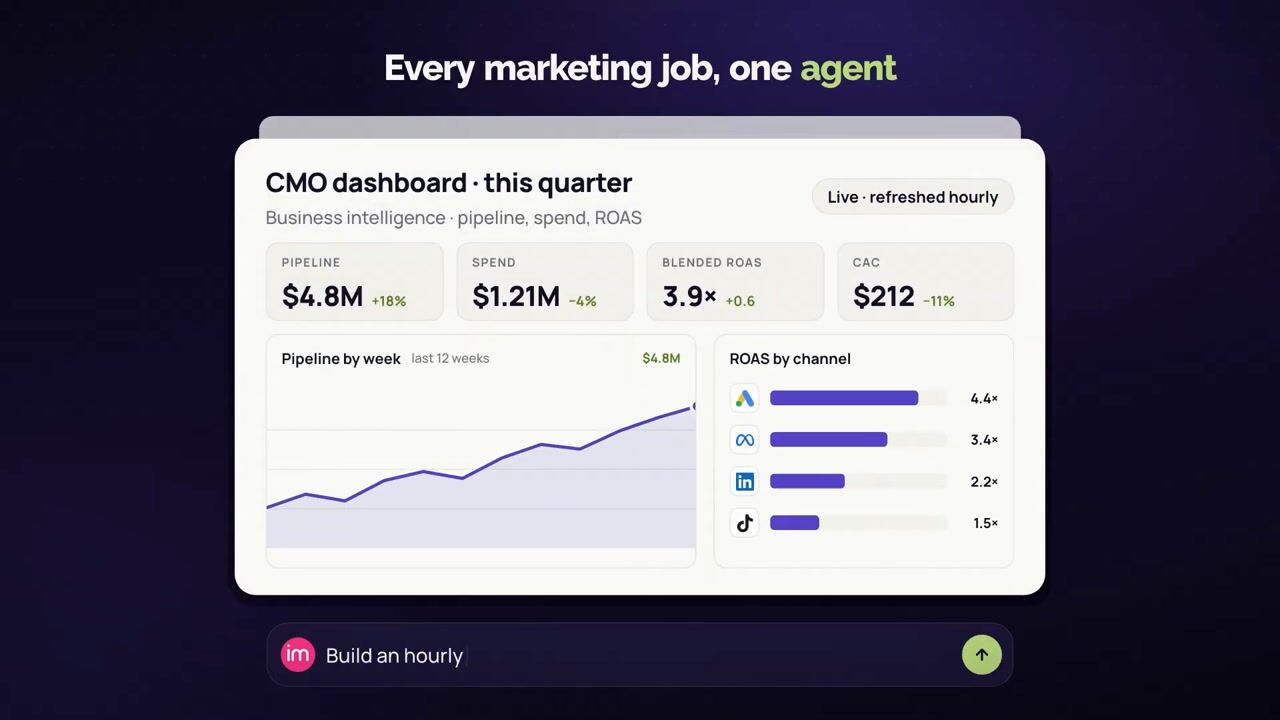
Improvado from San Diego, US, provides marketing analytics for large businesses. It collects data from hundreds of sources into a warehouse, normalizes it and gives you an AI agent for analysis.
Features:
- Hundreds of connectors for ad, analytics and CRM platforms, plus its own warehouse.
- Data transformation and quality control (Marketing Data Governance).
- Attribution models: MTA, MMM and incrementality testing come in the paid Advanced Intelligence add-on (from $20,000 a year) for the Growth and Enterprise plans.
- An AI agent and MCP access to your data.
- No built-in call tracking.
Best for: large brands and agencies with big ad budgets.
Limitations: core plans start at $20,000 a year, attribution is sold separately, and it’s overkill for a small business.
Pricing (official website):
- MCP Only: $100 a month, 2 million rows a year, daily sync.
- Starter: from $20,000 a year, 20 million rows a year, daily sync.
- Growth: from $41,700 a year, 60 to 200 million rows a year, sync up to twice a day.
- Enterprise: on request, up to 1 billion rows a year.
8. Dreamdata
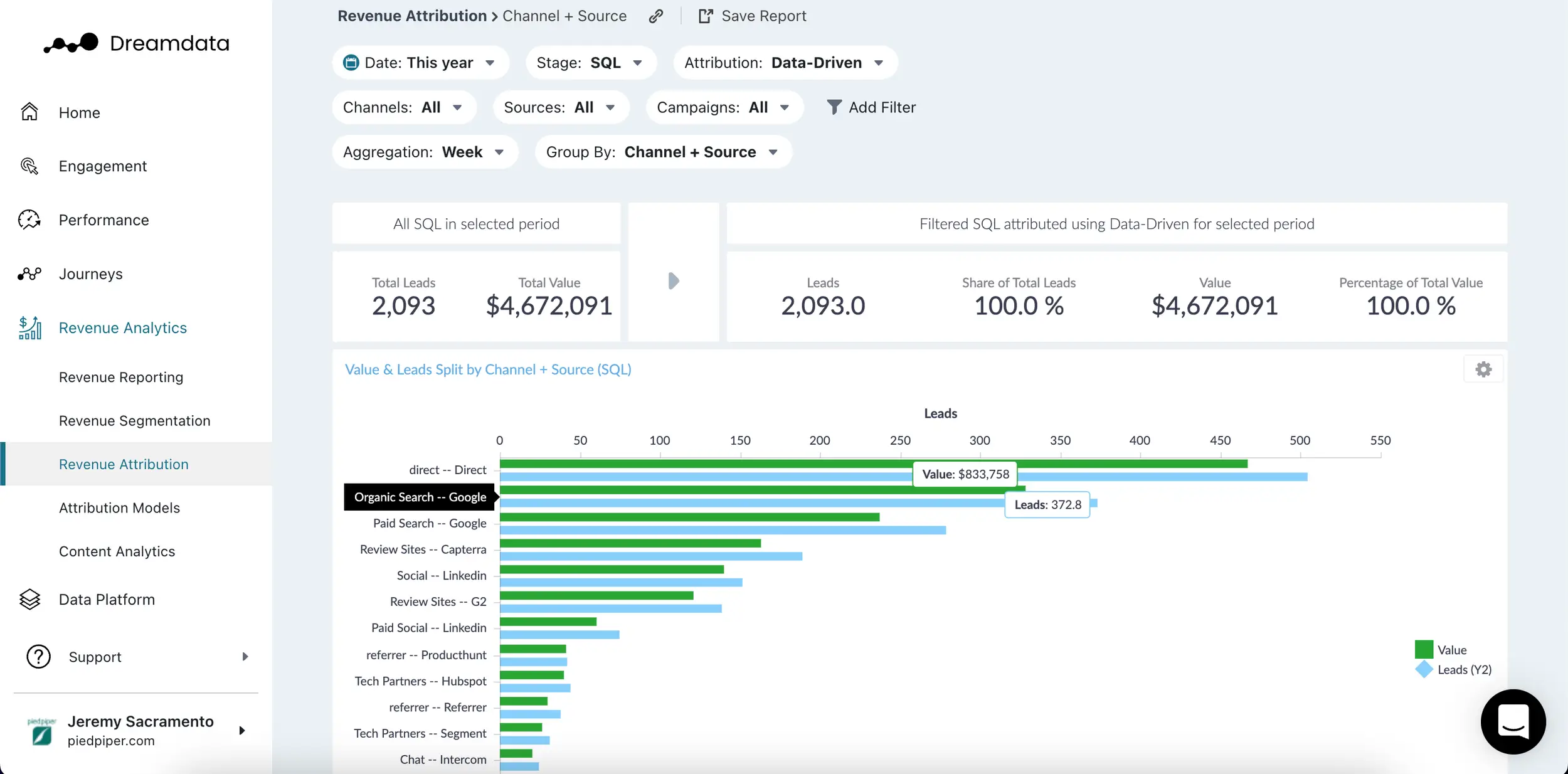
Dreamdata from Denmark offers attribution and activation for B2B companies. It combines visits, ads and CRM data at the account level, so you can see the journey of the whole buying group.
Features:
- Sources: website (tracking with and without cookies), ad accounts, CRM.
- Attribution models: multi-touch and AI-based data-driven, with custom models in the paid package.
- Identification of companies that visited your website.
- No built-in call tracking.
- B2B industry benchmarks.
Best for: B2B companies with long sales cycles where a group of people makes the buying decision.
Limitations: the free plan has no revenue attribution, and the paid package is sold on request only.
Pricing (official website):
- Free: $0 a month, B2B web analytics, company identification and benchmarks; up to 5 users and 2 months of history.
- Advanced (attribution and activation): on request; a guided trial is available.
Comparison of end-to-end analytics tools: table
Prices in the table are starting prices as of October 2026.
| Tool | Call tracking | Deals and revenue from CRM | Free start | Starting price | Best for |
|---|---|---|---|---|---|
| Ruler Analytics | Built-in, dynamic | Salesforce, HubSpot, Pipedrive, Zoho and others | No, demo first | from £299/mo | Businesses with phone sales and long sales cycles |
| Windsor.ai | No, calls come via CRM or analytics | Via connectors (Salesforce, HubSpot and others) | Forever Free: 1 source | $19/mo billed annually | Small businesses and agencies |
| GA4 + Data Studio | No, events from third-party call tracking | No direct connection: import or Measurement Protocol | Yes, free | $0 | Small businesses just getting started |
| OWOX | No | Via your data warehouse | Community (open source) | $295/mo | Companies with a data warehouse and an analyst |
| HubSpot Marketing Hub | No, via telephony integrations | Built-in CRM | Free for up to 2 users, 14-day trial | $9 per seat/mo; revenue attribution from $3,600/mo | B2B teams on HubSpot CRM |
| Funnel | No | Via connectors | 30-day trial | from $300/mo billed annually | Mid-sized and large businesses with an analytics team |
| Improvado | No | Via CRM connectors | No | MCP Only $100/mo; core plans from $20,000/yr | Large brands and agencies |
| Dreamdata | No | CRM data at the account level | Free plan without revenue attribution | on request | B2B with long cycles and buying groups |
Якщо в колонці «Колтрекінг» стоїть «ні», дзвінки доведеться передавати із зовнішнього колтрекінгу.
If the Call tracking column says “No”, you’ll need to send calls in from a third-party call tracking tool.
Here’s a typical case: a customer sees an ad, visits the website and picks up the phone. Google Analytics records a visit with no conversion, the CRM gets a deal with no source, and the ad account never learns about the call. The campaign that actually produced the sale looks like it’s losing money.
Calls are often the hottest leads, too. According to Invoca, which analyzed more than 60 million calls, 37% of phone leads convert during the call itself. If calls aren’t tied to ads, it’s easy to cut the budget of the channel that’s actually selling.
Call tracking fills this gap. It swaps the phone number on your website and in your ads and identifies where each call came from.
- Static call tracking. Each channel gets its own number, which also works offline: billboards, radio, TV.
- Dynamic call tracking. Each visitor sees a number from a pool, so the call is tied to the campaign, ad and keyword.
Only Ruler Analytics has built-in call tracking. For the other end-to-end analytics tools, call data has to come from outside:
- Call tracking identifies the ad source of the call.
- The call lands in the CRM as a lead or deal tagged with its source.
- Call tracking sends the call to GA4 as an event, and the analytics tool picks it up from there.
- The tool combines ad spend, calls and CRM revenue in one report.
UniTalk call tracking works in static, dynamic and combined modes and sends calls to GA4 and your CRM through ready-made integrations with HubSpot, Pipedrive, Salesforce, Zoho CRM and others. Plans start at $65 a month, with a free 14-day trial and no credit card required.
Not sure how many sales you’re losing in phone calls? We’ll show you on your own data how to connect call tracking to your end-to-end analytics.
It’s a report where every sale is tied to the ad that brought it in. It shows how much money each hryvnia spent on advertising brought back.
To start, the free GA4 and Data Studio combination will do, and the most affordable paid option is Windsor.ai (from $19 a month). If most of your leads come in by phone, take a look at Ruler Analytics (from £299 a month).
The ones that connect to your platform: Ruler Analytics works with Shopify and WooCommerce, while OWOX and Windsor.ai connect stores through connectors. Phone orders will have no source unless you use call tracking.
You can start with GA4 and Data Studio, Windsor.ai’s Forever Free plan, OWOX Community, or the free plans from HubSpot and Dreamdata. The catch is that free versions limit data sources or leave out revenue attribution.
Google Analytics tracks on-site behavior and online conversions. End-to-end analytics adds spend from every ad account plus calls and deals from your CRM, and shows return in real money, including offline sales.
Yes, if your customers call. Otherwise the channels that bring in callers look less profitable than they are. If all your leads come through forms and the shopping cart, you don’t need call tracking. UniTalk call tracking, for example, sends each call with its ad source straight to GA4 and your CRM.
A basic setup, yes: in Windsor.ai, Ruler Analytics and HubSpot you connect sources in the interface. You’ll need an analyst to send deals via the Measurement Protocol and to work with a data warehouse (OWOX, Improvado, Funnel).
Connecting ad accounts in an off-the-shelf tool takes about a day. The prep work takes longer: UTM tagging, consistent deal stages in the CRM, and call tracking. You can trust the channel insights only after at least one full sales cycle.